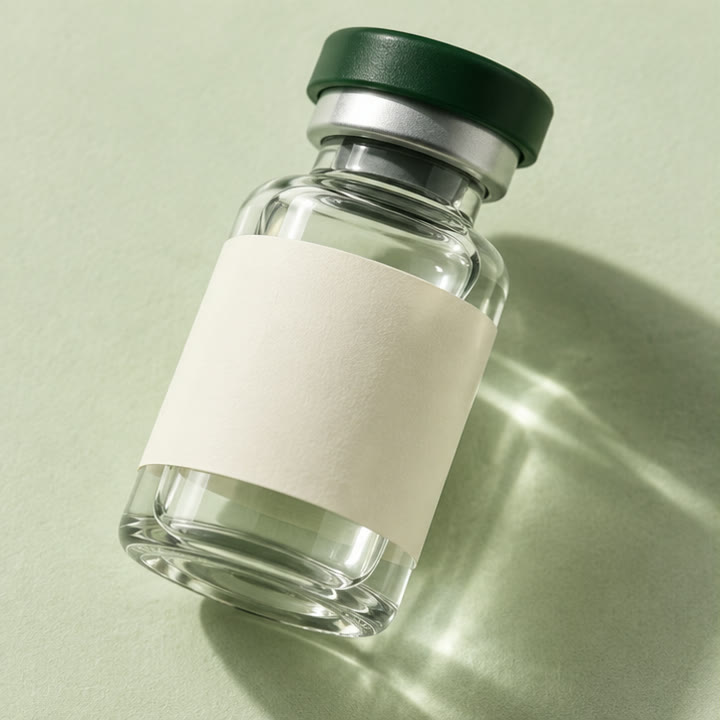
- Your prescriptionWhat your clinician prescribed
- Your pharmacyWhat is in this vial
- Your instructionsHow to measure this dose
All three should agree. If they do not, ask your clinician or pharmacy before using the medicine.
What does compounded mean?
A compounded medicine is prepared for an individual prescription. Compounded drugs are not FDA-approved.
The FDA does not review them for safety, effectiveness or quality before they are marketed. A clinician should explain why a compounded medicine is appropriate for your medical needs rather than an FDA-approved option.
What should I check before using it?
Read the label and the directions supplied with your own medicine.
Check the drug name, ingredients, strength, storage directions and expiry information against what your clinician prescribed. If the vial, label or instructions are missing, damaged or different from what you expected, contact the dispensing pharmacy before using it.
How do I know the syringe amount is right?
Ask your clinician or pharmacist to show you exactly which syringe to use and where to draw your prescribed dose.
The concentration can differ between compounded products. Milligrams, milliliters and syringe units are not interchangeable. Do not reuse a dose or syringe marking from a previous vial unless they have confirmed it for this prescription.
If the written directions and syringe do not match, pause and ask before injecting.
What if the package arrives warm or damaged?
Follow the storage directions supplied with your medicine. Contact the dispensing pharmacy if the package arrives warm, damaged or without clear instructions.
The FDA advises against using injectable GLP-1 medicine that arrives warm or with insufficient refrigeration. Use a new, sterile needle and syringe for each dose.
Need help with your prescription?
Contact the clinician or dispensing pharmacy listed in your treatment information. For help reaching the right team, email support@balmve.com. This guide does not replace your personal prescription or medical advice.